Rio Tinto (RIO.L) presents a compelling case of low valuation, historic high growth, and a structurally interesting market. It is using its massive cash flows from iron and steel to diversify into the “metals of the future”: Lithium, Aluminium, and Copper.
The core investment thesis rests on a structural reality: It has never been harder to build a mine. The easy-to-access ore bodies have already been mined, forcing the industry to seek resources in deeper, more complex, or politically unstable geographies. Simultaneously, increasing regulatory pressure has extended development timelines by years, if not decades. While this drastically increases the time before capital expenditures can be covered, it also serves as a formidable “barrier to entry” that mitigates the risk of new competitors.
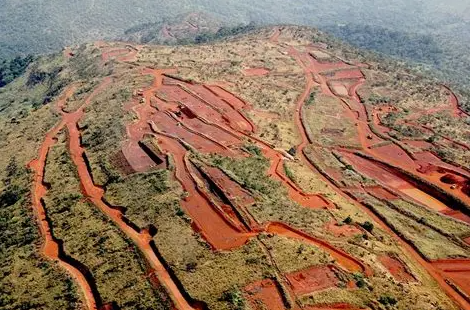
In this environment, a company’s “social license to operate” becomes its most critical asset—and its biggest risk. The industry is inherently dirty, and stakeholder pushback is tangible. This was exemplified when Rio Tinto’s Jadar lithium project in Serbia was dropped due to local protests, and it is currently visible in the environmental concerns surrounding the massive iron mine in the rainforests of Central Africa. These examples highlight that while the demand for metals is soaring, the supply response is constrained by the sheer difficulty of execution.
Despite high profitability and earnings growth, the valuation remains cheap. This is primarily driven by the risk of cyclical cash flows; as metal and mineral prices are highly correlated with macroeconomic development, a downturn in the economy will lead to a significant drop in earnings. However, the stock’s positive correlation with interest rates might help decrease overall portfolio risk, providing balance when interest-sensitive assets (such as investments with cash flows far out in the future and/or high debt) struggle.